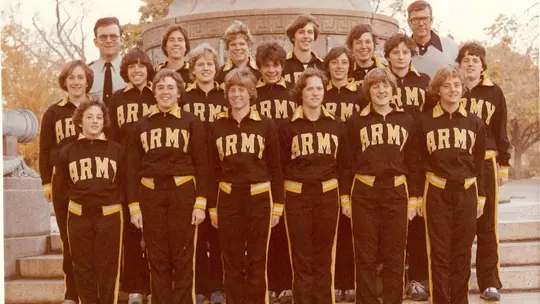
The Star Is Born: Story Of The 'First' Women's Star Meet
One of the reasons why college sports are so special is the organic rivalries sparked by shared commonalities (or differences). College rivalries are special. Rivalries between service academies are unique and special in their own ways. Starting a program while creating a rivalry - albeit stealthy - is on a level of its own which is the case with the women’s cross country program at West Point.
LTC (Ret) Charles Hunsaker was the man who started the program at the United States Military Academy in the late 1970s. After a decorated coaching career at Missouri State, Hunsaker left MSU in 1977 to accept a direct commission into the U. S. Army and to establish the women’s cross country and track programs.
“Almost immediately after arriving at West Point, I got a “Beat Navy” sticker and put it on the side of my briefcase,” Hunsaker said in his book “Angels in Combat Boots” which tells the story of the creation of the women’s program. “It’s still there today.”
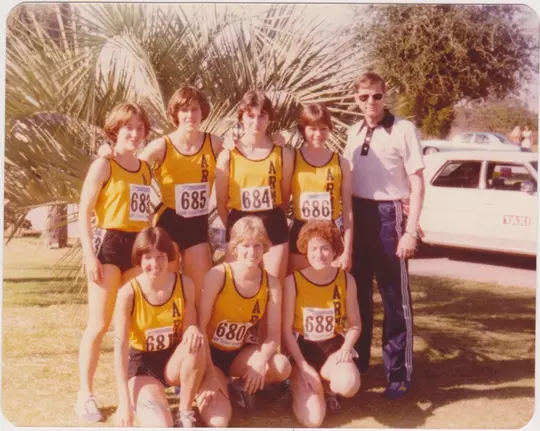
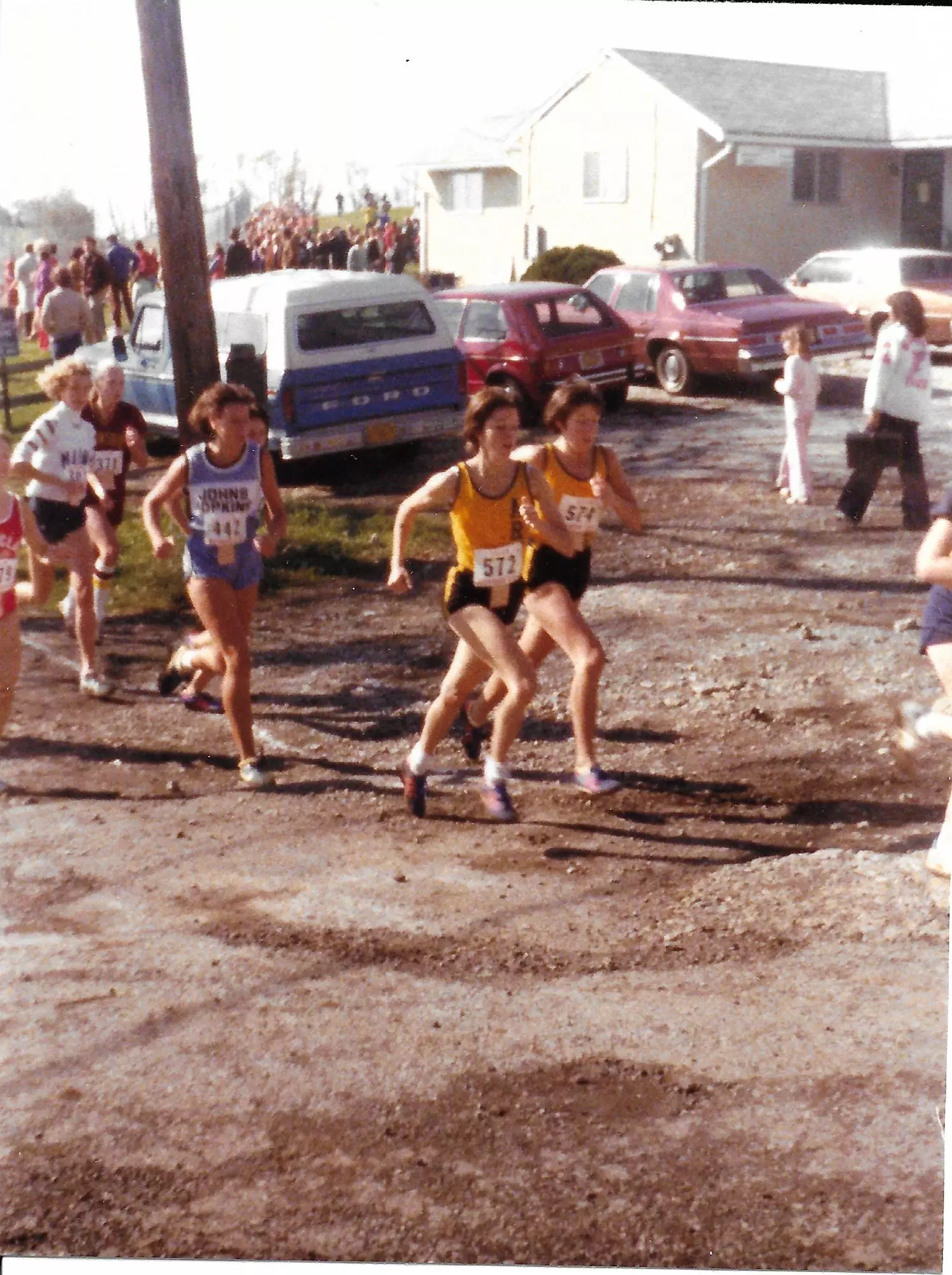
However, the opportunity to “Beat Navy” would take a few years to materialize, and it was done discreetly. After his first two years as coach, Hunsaker contacted the Navy coach about both teams running at a large invitational with several teams for the following season (1980). They would then compare scores after the meet to determine the winner.
“When we began practice the following year, I told the team we would be running Navy. There was a universal cheer,” Hunsaker said. “I explained to them that we were going to have to do it by both attending an invitational meet and run a dual meet within the large invitational. It didn’t matter to them. They wanted to sink Navy under a barrage of black and gold.”
The importance of the rivalry between the two oldest service academies runs deep. The members of the team were excited about the chance to compete against Navy.
“From the moment you get to West Point, you hear “Beat Navy” so naturally you want your team to beat Navy!” said Harlene (Nelson) Coutteau ‘82. “For me, beating Navy has a special significance since my father went to the Naval Academy.”
“My rivalry with Navy started at an early age,” said Deborah Nagle ‘82. “My dad was West Point Class of 1958, so I grew up with the "Beat Navy" mentality. In fact, when congressional representatives interviewed me for a nomination to the Academy asked why I had not put down the Naval Academy on my list for a nomination, I replied, "I grew up as an Army Brat and you could not pay me enough to go to the Naval Academy.”
On race, day excitement was in the air. When we got together a few minutes before the start for our final instructions we yelled “Beat Navy” when we broke the huddle. The other teams looked around with a what the heck is going on look in their eyes. This was a large invitational, so why were we yelling Beat Navy? It didn’t matter. The gun went off and the first women’s Army/Navy competition was on.Charles Hunsaker
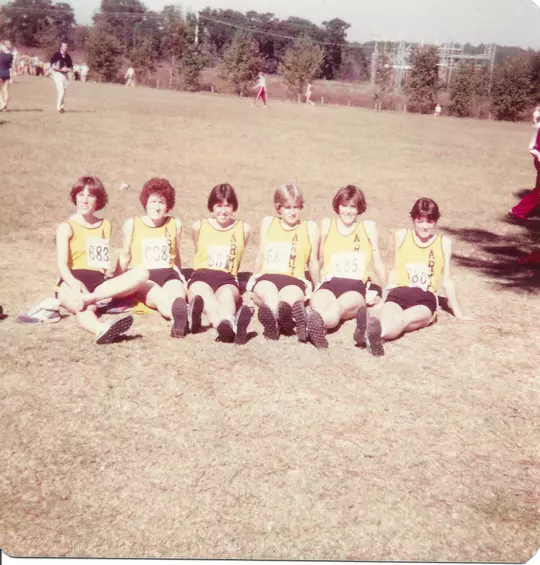
At the end of the race, the two coaches compared scores and Army won the head-to-head, making the cross country team the first women’s team to beat Navy. Once the news about the win spread around Post, the team was praised by fellow Cadets and by faculty.
“Most every school has that one big rival…the team you want to beat above all others. That competition gets everyone at the school energized,” said Hunsaker. “It focuses on your practices, your mental preparation, your team dynamics, and your effort. All of those are at a higher level. Athletes routinely have their best effort of the season in this competition. That kind of focus and that level of effort is something you can take with you for the rest of your life. It’s why we have athletics in schools and colleges. It’s why we want our children to participate in sports. It is a life lesson. It’s a great lesson for everyone, but I think it is an even bigger lesson for those preparing for a career in the military. In the military many of your decisions put lives on the line, so your focus, preparation, battle plans, and collective effort are even more important.”
The Army-Navy Star series in women’s cross country officially started in 1986, with Army winning the first two dual meets. The Cadets have won three of the last four meetings entering the October 2021 contest. As a program, the Black Knights have won five conference titles and had three individual champions since joining the Patriot League in 1993.
The Athena Cup, the brainchild of Hunsaker who completed 20 years of active service in the Army Adjutant General Corps in 1997, will be awarded to the winner of the Star Meet beginning this season.
“When we finally worked out a way to do it - a stealth effort - it provided something special for all of the women’s teams,” said Hunsaker. True, this wasn’t what we call a “Star” meet today, but it was a head-to-head competition with Navy. Competition against Navy for all the women’s teams began shortly after. That team will forever be the first women’s team to 'Beat Navy'. I felt that was a very special event in West Point history and should be commemorated in some way. What better way than a rotating trophy for the winner of the Army-Navy women’s cross-country meet that was donated by the first team to Beat Navy.”
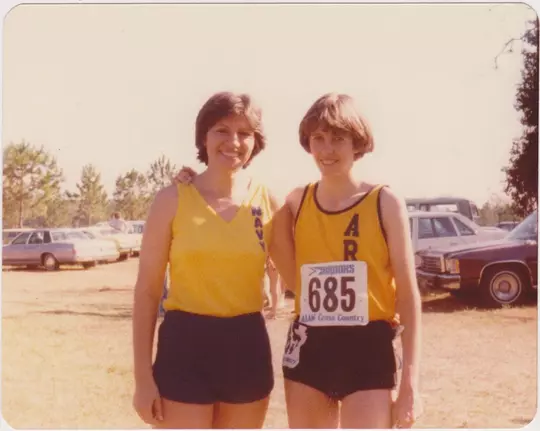
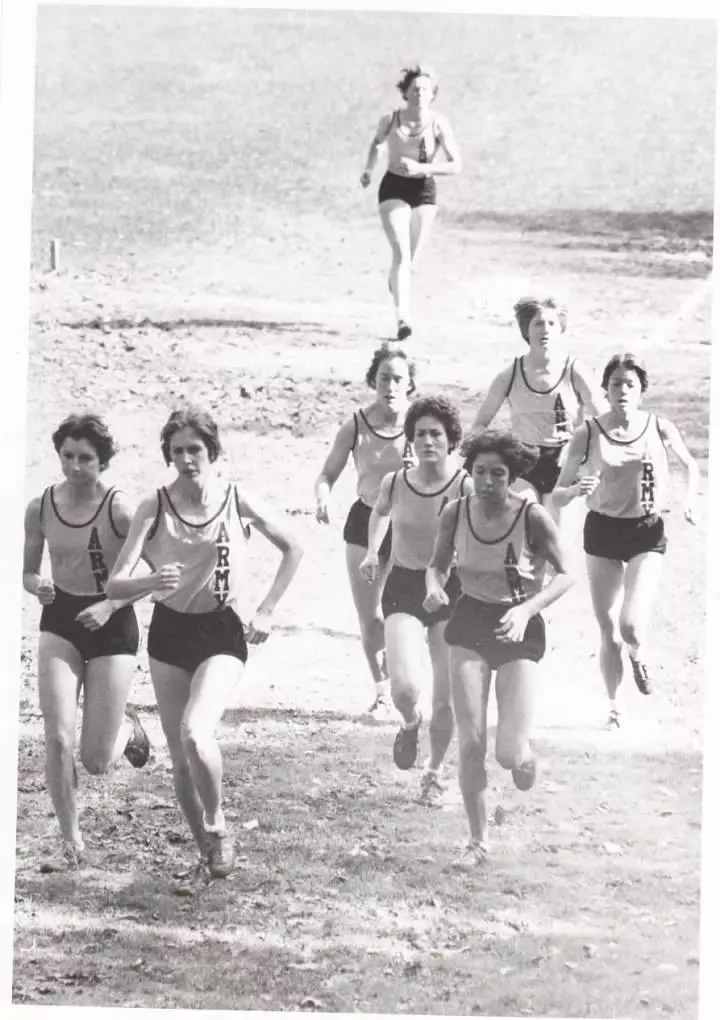
The first class who competed for the women’s cross country team went 28-3 in four years, including going undefeated in their last three seasons. The team captured the Eastern College Athletic Conference in 1980 and finished in the top-10 at the Association of Intercollegiate Athletics for Women (AIAW) national championships from 1979-81.
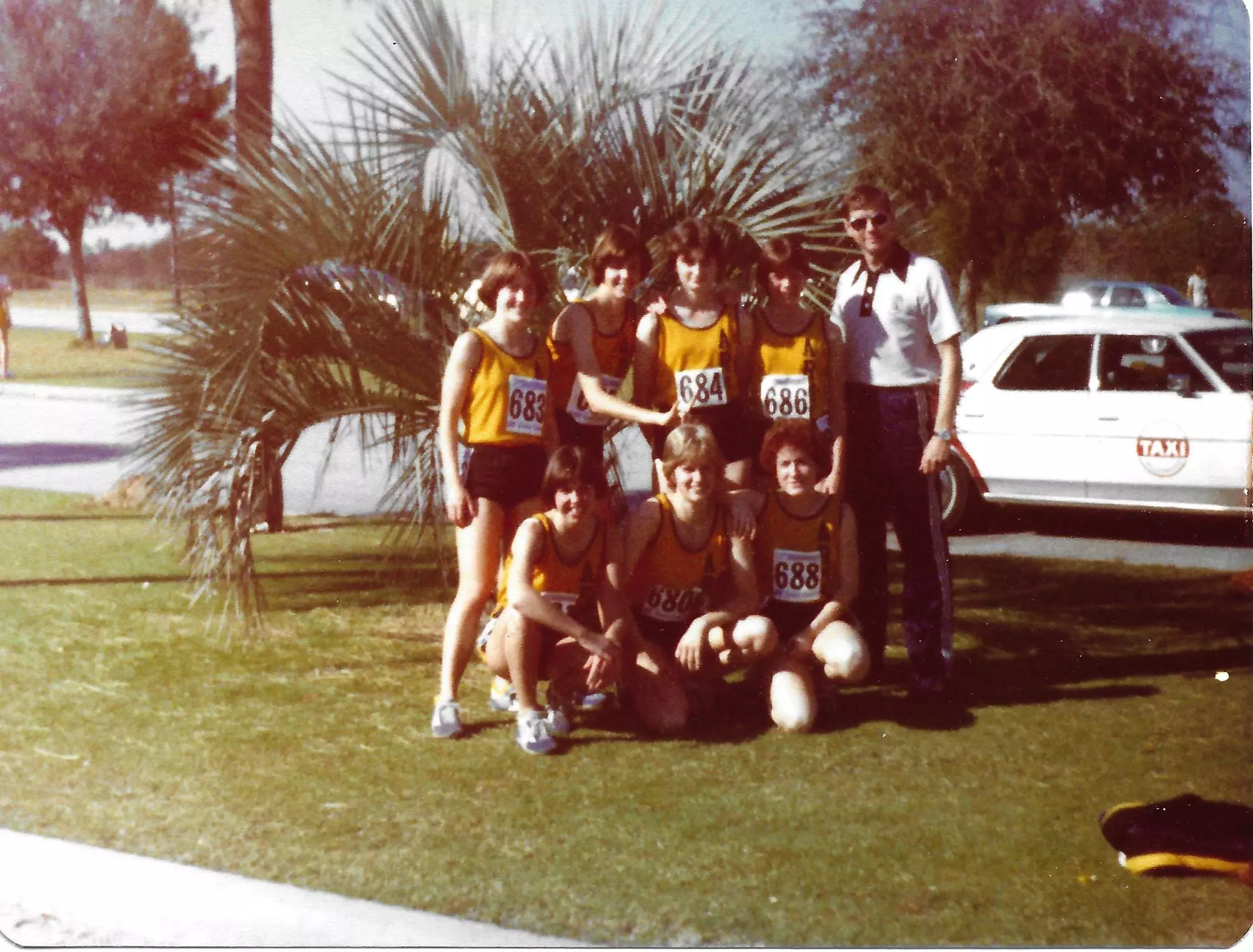
Coutteau was the captain of the 1981 team that finished tenth at the national tournament.
“I remember how happy I was when our team qualified for nationals in Florida. This was the first time I felt our team were really champions and accomplishing something significant,” said Coutteau who served in the Army for 20 years as a quartermaster and later as an acquisition officer.
That class was also around to witness historical events at West Point, like the Olympic torch passing through West Point on its way to Lake Placid for the 1980 Winter Olympics and the arrival of the Americans from the Iran Hostage Crisis and spent several days at the Thayer Hotel.
The presence of the program, and its success, was a catalyst in helping all-female Cadets at West Point.
“As one of the first women to attend West Point, proving yourself physically provided a means of being accepted by our male counterparts, said Sara Potecha who served as an Ordnance Officer and now provides executive coaching for organizations as a consultant. “Being a runner, I never fell out of runs or forced road marches and it gained me credibility with both my male classmates and upperclassmen.
“Being on the Corps Squad cross country team and able to outrun many of my male classmates helped demonstrate that women could compete physically at West Point and in the Army,” said MaryAnn Cummings ‘82. “I have had many classmates talk to me about how impressed they were at the women distance runners and at times, how surprised they were to be beaten by women in a run. By being able to handle the physical requirements of West Point and the Army, I earned respect and credibility with my classmates, and later with peers, superiors, and subordinates.”
Cummings completed two combat tours in Iraq, an assignment at the Pentagon, and a two-year position on the National Security Council at White House in her 30-year career as a military police officer. She retired as a Colonel after commissioning her son following his graduation from West Point in 2011.
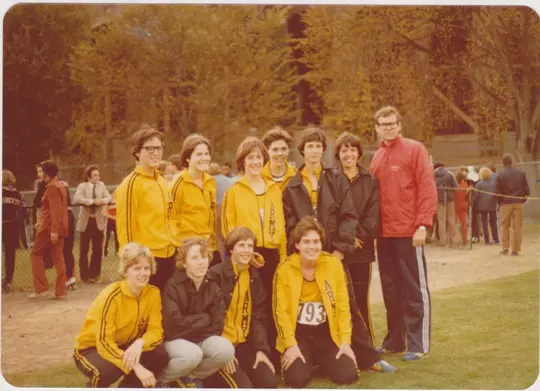
Several members of the class were grateful for their experience on the team and how it prepared them for life after athletics.
“Running at West Point made me resilient and mentally tough; these characteristics made me successful in my career or whatever situation life deals me,” said Nagle who was commissioned in the Corps of Engineers and served seven years on active duty. She stayed in the Army Reserves, retiring after 30 years of service as a Colonel. She currently works at the Environmental Protection Agency.
"Running was my outlet from the stresses and requirements we had daily,” said Roberta (Baynes) Crissy. “Running kept me focused on the important aspects of life. It made me a better officer in the Army.
Crissy served as a Field Artillery Officer for eight years and later transferred to the Adjutant General Corps branch where she served 15 years as an AG officer. After stops in Germany, Fort Sill, Northern Virginia, Fort Hood, and Korea, she completed her Army career in the Army G-1 at the Pentagon.
“Running was my escape, my therapy, my joy,” Said Coutteau. “My teammates became some of my best friends, helping me get through some rough days, making me laugh, and sharing so many common experiences with me. Being on the cross country team helped me learn teamwork, confidence in my ability, leadership, and responsibility. Running also helped me gain acceptance and respect with my male classmates and later with the soldiers in my unit.”
“To me, long-distance running is a lot like life, you battle things out physically and mentally, you don’t want to tackle that hill, but you do it anyway. When you persevere, you overcome your self-limiting thinking. That’s a recipe for success in life!” Potecha
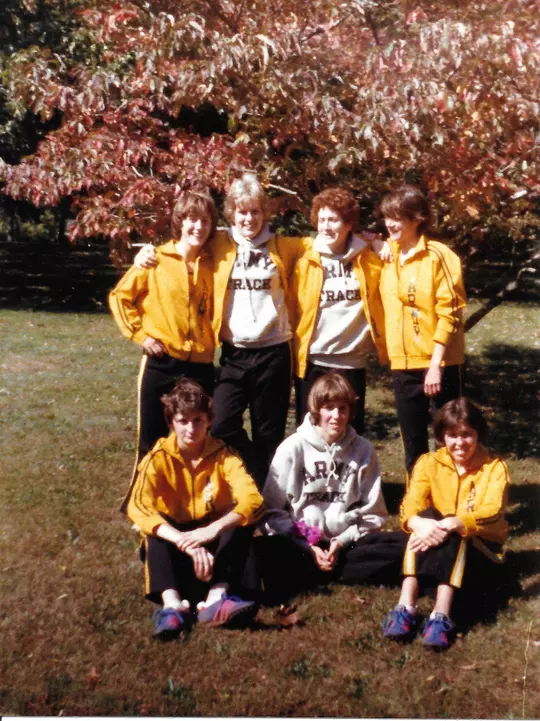
The impact and legacy of the first class are not lost to the current generation who are associated with the program.
“We are fortunate to have the first competitors from the Army’s team on the women’s side at the dual meet which is now an annual event,” said Mike Smith, who has served as the director of track and cross country since 2014. “Because we are operating in the present, we don’t understand the trials and hardships of what those women and Coach Hunsaker went through to get it started. There's a great deal of respect for what those women went through to give these kids the opportunity to compete in this event which is so significant to our institution.”
“Here at West Point, we always emphasize gripping hands with those who came before us in the Long Gray Line because our unique experiences connect us forever,” said Jordan Jones ‘22 who is the team’s captain. “The Athena Cup is an incredible opportunity for us to connect with the first-ever Army women’s cross country team and with other teams that will come after us. It will be so special to be at the Army-Navy meet this year with Coach Hunsaker and the team and carry their inspiring spirit through our race. It is so exciting to think that this is the first introduction of the Athena Cup, which will be carried on for generations to come and serve as a symbol of the historical significance and connection to past Army and Navy athletes.
The rivalry between Army and Navy is and will always be respectful and filled with admiration.
“On the fields of friendly strife...Friendly competition teaches camaraderie and brings the Long Gray Line together in a truly powerful way,” said Potecha.
We are all brothers and sisters in arms serving the nation and in our chosen career field, victory is a must. The Midshipmen undergo the same challenges and environment that Cadets do and so we have a unique camaraderie. That said, we are very competitive with Navy and very keen to challenge them in every contest, every competition. The intensity to win starts on the first day at both academies and continues through graduation and beyond. For us, it is always: BEAT NAVY!MaryAnn Cummings '82